

As the crisp air settles over Calgary and snow begins to dust the streets, a familiar annual challenge begins. Winter in this vibrant city demands a certain resilience, not just from our homes and vehicles, but from our bodies. Preparing your body with a simple, accessible posture check can make all the difference in staying safe and comfortable through Calgary’s winter.
The Unique Demands of a Calgary Winter
Calgary’s winter isn’t just cold; it’s an environmental shift that profoundly impacts our physical selves. The prevalence of ice and snow requires heightened balance and stability, making falls a significant concern. The need for physical exertion, like snow shovelling, can put immense strain on the spine and its supporting muscles if proper form isn’t maintained. Furthermore, shorter days and colder temperatures often lead to more time spent indoors, often at desks or on devices. This shift in activity, coupled with the physical demands of winter, creates a perfect storm for developing or exacerbating poor posture, laying the groundwork for discomfort and potential injury. Understanding these unique demands is the first step in proactively addressing our physical readiness.
Why Posture is Your Unsung Winter Hero (or Hidden Foe)
Your posture is the silent architect of your body’s alignment and function. It dictates how your spine is supported, how efficiently your muscles work, and how well your joints move. In Calgary’s winter, good posture becomes a critical component of survival and enjoyment. It’s the difference between confidently navigating a slippery path and an awkward stumble, between a pain-free morning of shovelling and an afternoon of debilitating back pain. Conversely, poor posture can be a hidden risk factor, quietly increasing your risk of falls, exacerbating muscle inflammation, and diminishing your overall mobility. Recognising the profound influence of your posture is key to achieving a safer, more enjoyable winter experience.
Introducing the Simple Wall Test: Your First Step to Winter Readiness
 Use the wall test to get a quick snapshot of your posture. Check for the three main points of contact and note any significant gaps or deviations.
Before the first snowflake truly tests our resolve, there’s a simple yet powerful diagnostic tool every Calgary resident can use: the wall test. This straightforward exercise requires no special equipment and can be performed in minutes, offering invaluable insight into your body’s alignment. It’s an accessible way to assess your posture without seeing a physiotherapist immediately, providing a baseline understanding of your spinal health. This test is designed to reveal how your body naturally holds itself when standing against a stable surface, highlighting potential imbalances or deviations that could become problematic as winter’s demands increase.
Why Your Posture is Critical for a Safer, More Enjoyable Calgary Winter
The winter season in Calgary presents unique physical challenges. From the literal slippery slopes of icy sidewalks to the more insidious effects of increased indoor working and reduced physical activity, our bodies are constantly adapting. Good posture isn’t just about appearance; it’s a fundamental pillar of physical resilience, directly impacting our ability to move safely, prevent injuries, and enjoy seasonal activities to the fullest. Understanding this connection is vital for every Calgary resident.
Mastering Movement: Balance and Stability on Icy Surfaces
Navigating Calgary’s winter streets often feels like a constant test of balance. Ice and snow dramatically reduce friction, making even a slight misstep a recipe for a fall. Good posture is intrinsically linked to stability and balance. When your body is properly aligned, your centre of gravity is more predictable, allowing your neuromuscular system to respond more effectively to unexpected shifts. A neutral spine, with its natural curves intact, enables your core muscles to engage efficiently, providing a stable base for all movement. Poor posture, such as a hunched back or a head jutting forward, disrupts this delicate balance, making you more susceptible to slips and falls. Enhancing your core strength and practising good alignment are crucial for maintaining mobility and confidence on icy surfaces.
Preventing Common Winter Aches: From Shovelling Snow to Icy Falls
Winter often brings its own unique set of aches and pains, from the stiffness following snow shovelling to the throbbing pain after an unexpected fall. These discomforts are frequently linked to poor posture and inadequate core stability. When lifting heavy snow, a misaligned spine or weak core forces smaller, less resilient muscles to compensate, leading to strains and sprains. Similarly, frequent falls often result in jarring impacts that can exacerbate pre-existing postural issues, potentially causing ligament damage or increasing inflammation. By addressing your posture, you’re not just aiming for better alignment; you’re actively investing in injury prevention and reducing the likelihood of experiencing common winter-related musculoskeletal complaints.
Enhancing Your Winter Sports Performance: Skiing, Snowboarding, and More
Calgary is a gateway to fantastic winter sports, from skiing and snowboarding to skating and snowshoeing. Optimal performance in these activities relies heavily on a well-aligned and functionally sound body. Good posture is foundational for effective technique, power generation, and injury prevention. For instance, a stable core and neutral spine are essential for maintaining balance on skis or a snowboard, allowing for better edge control and smoother turns. Proper shoulder and scapular alignment supports powerful, controlled arm movements, whether swinging poles or preparing for a descent. By proactively improving your posture, you’re not only enhancing your athletic capabilities but also reducing the risk of common sports-related injuries.
Counteracting the “Winter Hunch”: Less Outdoor Activity, More Screen Time
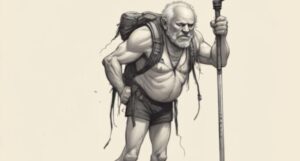
As the days grow shorter and colder, many Calgarians naturally spend more time indoors, often engaging in activities that can promote what’s colloquially known as the “winter hunch.” Prolonged working at desks, extended screen time on computers and mobile devices, and a general decrease in overall outdoor mobility. This often manifests as forward head posture, rounded shoulders, and reduced spinal curvature. This postural pattern can lead to muscle imbalances, neck pain, and even contribute to inflammation. It’s a subtle but pervasive issue that the wall test can help identify, prompting us to take corrective action.
Understanding the Wall Test: A Simple Diagnostic for Spinal Health
The wall test is more than just a physical assessment; it’s a window into your body’s habitual alignment. Standing against a flat surface removes external supports and biases, allowing your natural spinal curves and muscle engagement patterns to become apparent. This simple diagnostic tool provides an immediate, visual understanding of how your spine is positioned and whether it aligns with optimal biomechanics. It’s a fundamental step in getting a clearer picture of your overall posture and identifying potential areas that need attention, especially as you prepare for the physical demands of a Calgary winter.
What the Wall Test Reveals About Your Spine
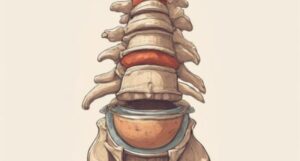
When performed correctly, the spinal wall test assesses the natural curves of your cervical (neck), thoracic (mid-back), and lumbar (lower back) regions. The way your body makes contact with the wall, and the spaces that remain, tell a story. Are your heels, buttocks, and shoulder blades all making firm contact? Is there a noticeable gap at your neck or lower back? The answers to these questions can indicate a variety of postural tendencies, from an exaggerated arch to a flattened curve. Understanding these revelations is the first step in addressing potential musculoskeletal issues before they become problematic, particularly during winter.
The Concept of a Neutral Spine: What We’re Aiming For
A neutral spine is the ideal resting posture where the spine’s natural curves are maintained without exaggeration or flattening. This alignment minimises stress on the spinal discs, ligaments, and muscles, allowing for optimal mobility and stability. In a neutral position, the head is balanced directly over the shoulders, the shoulders are aligned over the hips, and the pelvis is neutral. The wall test helps you gauge how close your current posture is to this ideal. Achieving and maintaining a neutral spine is a primary goal of good postural health, providing a strong foundation for all your daily activities, especially during the challenging Calgary winter.
Common Postural Issues the Test Can Highlight (Kyphosis, Lordosis, Forward Head Posture)
The wall test is effective at identifying common postural deviations that can affect comfort and function. Kyphosis, often characterised by rounded shoulders and an exaggerated curve in the upper back, can make it difficult for your shoulder blades to lie flat against the wall. Conversely, excessive lordosis shows up as a pronounced inward curve in the lower back, creating a large gap between your back and the wall. Perhaps most prevalent in our digital age is forward head posture, where the head juts forward relative to the shoulders, preventing the back of the head from touching the wall. These issues, if left unaddressed, can cause discomfort, pain, and an increased risk of injury, particularly during activities such as shovelling snow or navigating icy terrain.
How to Perform the Simple Wall Test: A Step-by-Step Guide
The beauty of the wall test lies in its simplicity and accessibility. It’s a quick, effective self-assessment tool that can be done anywhere you have a flat wall. This straightforward guide will walk you through the process, helping you understand your current spinal alignment and identify areas that may need attention, setting you up for a healthier winter in Calgary. Getting familiar with this test is an empowering step towards better posture and overall well-being.
Finding the Right Wall and Positioning Yourself
Begin by finding a flat, unobstructed wall. Stand with your back to it, ensuring your feet are roughly hip-width apart. Slowly walk your feet forward a few inches away from the wall, then lean back until your heels, buttocks, and shoulder blades make contact with the surface. The goal is to stand as upright as possible, maintaining a natural alignment without forcing your body into an unnatural position. This initial setup is crucial for an accurate assessment of your posture.
The Four Key Contact Points: Heels, Buttocks, Shoulder Blades, and Head
As you stand against the wall, pay attention to these four key contact points. Your heels should be touching the wall, providing a stable base. Your buttocks should also make contact, indicating a neutral pelvic position. Your shoulder blades are crucial indicators; they should lie relatively flat against the wall, suggesting your shoulders are in a good position rather than rounded forward. Finally, your head, specifically the back of it, should ideally make contact or be very close to touching the wall. Any significant deviations or gaps at these points are telling signs about your current posture.
Checking the Gaps: Neck (Cervical Spine) and Lower Back (Lumbar Spine)
Once you’ve established contact at the main points, focus on the spaces. Slide your hand into the gap between the wall and your neck (cervical spine). Then, slide your hand into the gap between the wall and your lower back (lumbar spine). These gaps provide a tangible measure of your spine’s natural curvature. A certain amount of space is normal and healthy, but excessive gaps can signal postural imbalances that may require attention, especially in preparation for winter activities.
What to Look For: Hand Width Gaps and Head Contact
For ideal posture, you should be able to slide your hand, palm facing inwards, into the gap between your neck and the wall, and similarly between your lower back and the wall. If you can easily fit more than one hand (stacked) into the lower back gap, it may indicate excessive lordosis. If your head does not touch the wall at all, or if you need to tilt your head back significantly to make contact, it’s a strong indicator of forward head posture. Difficulty getting your shoulder blades to lie flat against the wall may indicate thoracic kyphosis or generalised upper back tightness.
Interpreting Your Wall Test Results: What Your Body is Telling You
The wall test is a powerful diagnostic tool, but its true value lies in understanding how the results affect your posture and spine. The gaps and contact points reveal habitual patterns that can predispose you to discomfort, reduced mobility, and potential injury, especially when facing the unique physical challenge of a Calgary winter. Recognising these signs empowers you to take proactive steps to improve your alignment and prepare your body for the season ahead.
When Your Head Doesn’t Touch: Understanding Forward Head Posture and Cervical Kyphosis (“Tech Neck”)
If the back of your head doesn’t touch the wall, or if you must crane your neck to achieve contact, it strongly suggests forward head posture. This common issue, often exacerbated by prolonged screen time and desk work, places significant stress on the cervical spine and the muscles in your neck and upper back. It can lead to pain, stiffness, headaches, and even contribute to early degenerative changes. This misalignment can also impact your breathing and overall nervous system function, making you feel more fatigued. Addressing this is crucial for comfort and preventing inflammation in the neck and shoulder region.
Large Gap at the Lower Back: Identifying Excessive Lordosis
A significant gap between your lower back and the wall, easily accommodating more than a hand’s width, typically signifies excessive lordosis. This condition involves an exaggerated inward curve of the lumbar spine. While some lordosis is natural and necessary for shock absorption, an excess can strain the lower back muscles and ligaments, potentially leading to pain and instability. This can be particularly problematic when lifting or bending during everyday activities in Calgary winters. Recognising this through the wall test is key to initiating exercises that help restore a more neutral pelvic tilt and reduce lumbar stress.
Flat Lower Back: Recognising Flatback Posture
The opposite of excessive lordosis, a flat lower back, occurs when the natural inward curve of the lumbar spine is reduced or absent. This can result from muscle imbalances where the abdominal muscles are too tight or the back extensors are too weak. A flat lower back can limit the spine’s ability to absorb shock and may lead to stiffness and pain, particularly during forward bending. The wall test will reveal minimal to no gap in this area, indicating the loss of this crucial spinal curve.
Difficulty Touching Shoulder Blades: Indications of Thoracic Kyphosis or Rounded Shoulders
If you find it difficult to get your shoulder blades to lie flat against the wall, it often indicates thoracic kyphosis or general rounded shoulders. This postural tendency means the upper back has an increased outward curve, and the shoulders are pulled forward. This can result from prolonged sitting, poor working ergonomics, and imbalances in the chest and back muscles. This posture not only affects appearance but can also lead to restricted breathing, upper back pain, and impingement issues, making everyday movements more challenging and potentially contributing to inflammation.
General Muscular Imbalances and Muscle Weaknesses Revealed
Beyond specific deviations, the wall test can indirectly reveal broader muscular imbalances and weaknesses. For example, if you find yourself constantly arching your back to make contact, it might indicate weak abdominal muscles or tight hip flexors. If you struggle to keep your head upright against the wall, it points to weakened deep neck flexors. These imbalances affect the entire system of your posture and can predispose you to injury during activities like shovelling or even simply walking on slick surfaces, highlighting the interconnectedness of your body’s support structures.
Taking Action: Simple Postural Exercises to Improve Your Winter Stance
Identifying postural issues with the wall test is an excellent start, but the real benefits come from taking action. Fortunately, a range of simple, effective exercises can help correct common postural deviations and improve your overall alignment, preparing you for the rigours of a Calgary winter. These movements target specific areas of the spine, core, and surrounding musculature, enhancing mobility, stability, and strength. Integrating these into your routine can significantly improve how you feel and perform throughout the season.
Reclaiming Your Cervical Spine: Gentle Chin Tucks for Forward Head Posture
For those who noted forward head posture during the wall test, gentle chin tucks are an invaluable exercise. Sit or stand tall, looking straight ahead. Without tilting your head up or down, gently draw your chin straight back as if trying to make a double chin. You should feel a stretch in the back of your neck and engagement of the deep neck flexors. Hold for a few seconds, then relax. This simple movement helps retrain your deep neck muscles, encouraging your head to return to a more neutral position over your shoulders, thereby relieving stress on your cervical spine.
Opening Your Chest and Shoulders: Wall Angels and Scapular Stability Exercises
To counteract rounded shoulders and thoracic kyphosis, often indicated by difficulty getting shoulder blades to lie flat against the wall, wall angels are highly effective. Stand with your back against a wall, feet slightly away. Bend your elbows to 90 degrees and place the backs of your arms and hands against the wall, forming a “W” shape. Slowly slide your arms up the wall as far as comfortable, keeping contact, then slide them back down. Focus on squeezing your shoulder blades together as you move. This exercise improves mobility in the upper back and shoulders, strengthening the muscles that maintain an open chest posture.
Strengthening Your Core for Spinal Support: Basic Core Muscles Activation (Transverse Abdominis, Pelvic Floor, Diaphragm)
A strong core is fundamental to spinal health and overall stability. The Plank is a well-known exercise for engaging multiple core muscles simultaneously, including the transverse abdominis, pelvic floor, and diaphragm. To perform a plank, position yourself on your forearms and toes, keeping your body in a straight line from head to heels. Engage your core by drawing your belly button towards your spine. Hold this position, focusing on steady breathing and maintaining a neutral spine. Regular planking strengthens the deep stabilising muscles that protect your spine and improve your ability to withstand the forces encountered during winter activities.
Addressing Lumbar Spine Deviations: Pelvic Tilts for Lordosis or Flatback
Whether you have excessive lordosis or a flat lower back, pelvic tilts can help restore a more neutral lumbar spine. Lie on your back with your knees bent and feet flat on the floor. For excessive lordosis, gently flatten your lower back against the floor by engaging your abdominal muscles and tilting your pelvis backwards. For a flat back, you might focus on a slight anterior tilt to create a small arch. The key is to move slowly and focus on the subtle engagement of your abdominal and gluteal muscles. This exercise helps build awareness and control over pelvic positioning, crucial for spinal health.
Your Calgary Winter Posture Challenge
As Calgary prepares for its coldest winter months, we should all consider addressing a critical element of our readiness: our posture. The benefits of proactive postural awareness are manifold. Improved stability and mobility are paramount for navigating icy sidewalks safely. Preventing aches and pains, from shovelling snow to simply enduring long hours of working, is within reach. Furthermore, enhanced spinal health and balanced musculature can even elevate performance in beloved winter sports. By actively counteracting the tendencies of the “winter hunch” and the system-wide effects of prolonged indoor activity, we equip ourselves for a more comfortable and active season.